Showing posts with label new. Show all posts

Tuesday, March 23, 2010

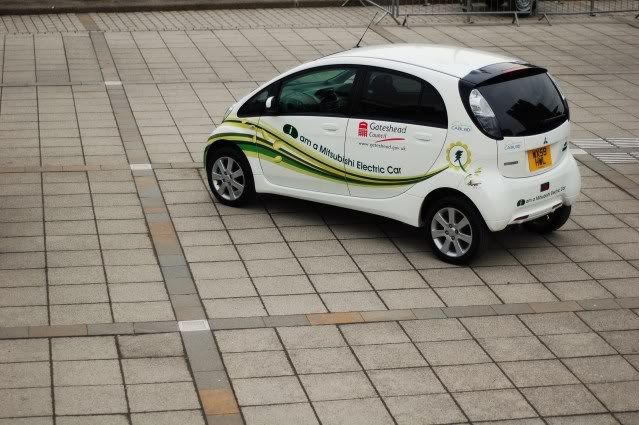
EVs present at Newcastle low carbon congress

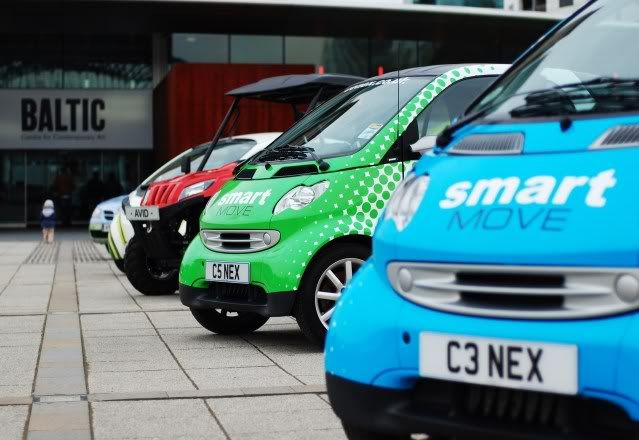
The Baltic centre for contemporary art hosts the first Green Vehicle Congress this week.

Only a week after the announcement that the Nissan plant in Sunderland would be manufacturing Nissan's new EV the Leaf, the Baltic gallery and Gateshead will be hosting a conference on green vehicles, focusing on EVs, hydrogen vehicles and hybrids. Visitors will be arriving from all over the world, from as far away as Japan, Korea and the USA.

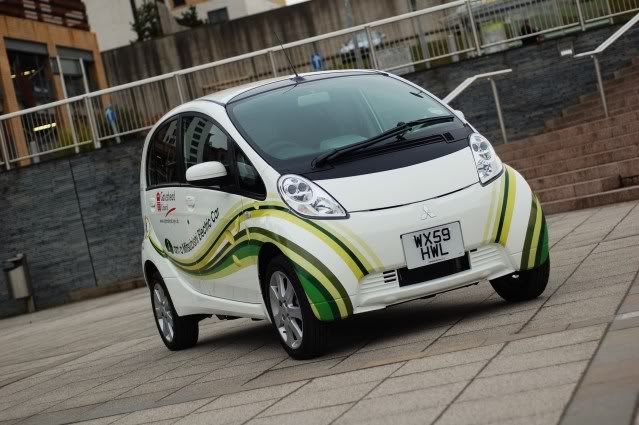
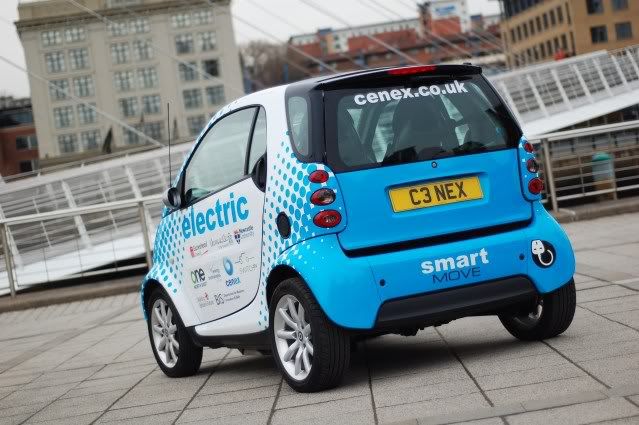
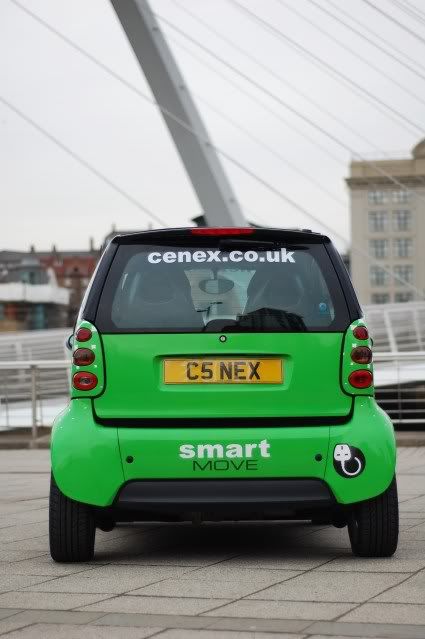
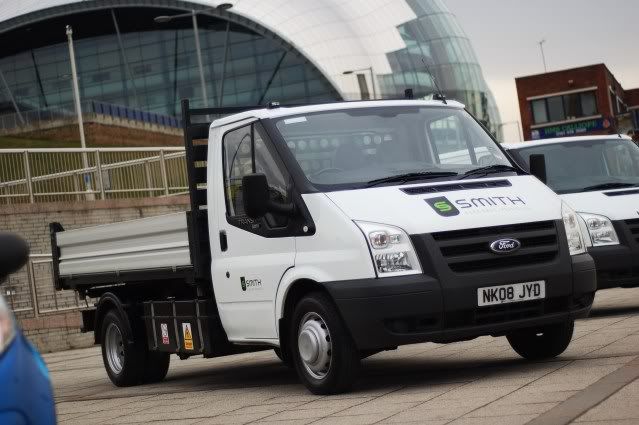
Tarmac stumbled across the conference today and was able to grab some photos of the alternative-fuel vehicles on display.

The congress has been organised by Cenex, the UK’s Centre of Excellence for Low Carbon and Fuel Cell Technologies.

Hot on the heels of the announcement that the North East of England will be building Nissan's new EV and benefiting from over a thousand new re-charging points, the conference will discuss the importance of alternative fuels and low carbon transport.

More information is available here.

(All images ©Tarmac 2010)

Tuesday, February 16, 2010

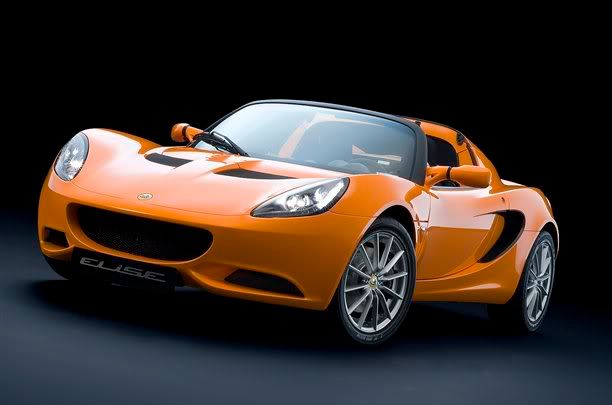
Facelifted Elise - lower drag, new engine

Autocar brings news that Lotus has given the Elise a mild facelift and some new mechanicals. The new look brings the car in line with the styling of the Evora, but importantly also reduces drag which, combined with the new engine option, improves fuel economy and reduces emissions.

That new engine is a VVTi Toyota powerplant similar to those currently used in the Elise, but in a new 1.6 litre displacement. The new motor will power the basic Elise S model, and reduces emissions to 155g/km of CO2. As a conservative estimate, fuel economy should be in the early forties mpg, yet coupled to a new close-ratio six-speed gearbox, performance even from the basic 1.6 should be as impressive as ever.

The car is expected to start arriving in showrooms in April.

(Image: Autocar)

Friday, February 12, 2010

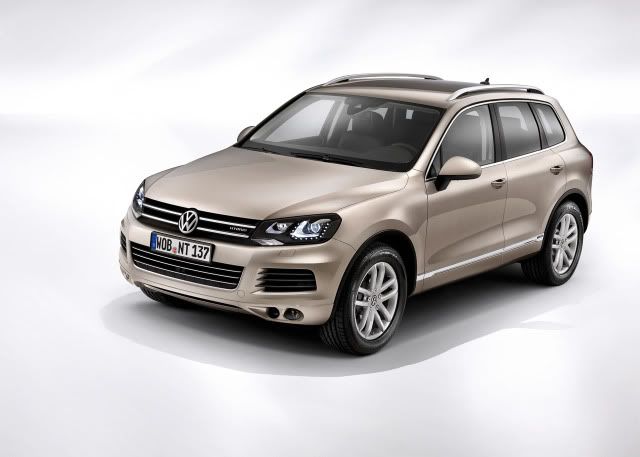
New VW Touareg sheds 200kg

Following in the Polo's footsteps, Volkswagen has revealed that the next version of their Touareg will shed as much as 208kg in the base model and offer up to 20% improvements in economy.

The weight saving amounts to as much as 10% removed from the kerb weight of the previous Touareg, and coupled with improved aerodynamics and updated engines, including a new hybrid motor, the new Touareg promises to be one of the most efficient large SUVs on the market.

According to Volkswagen's press release (available on ABG), the new Touareg also offers more space, more equipment (including stop/start technology) and more off-road biased options packages. Visually, the new car shares Volkswagen's family face first seen on the Scirocco, and it works well with the slightly more chiselled body, making the car look much smaller and more dynamic.

Of course, the weight savings on the Touareg will be reflected in the upcoming Audi Q7 and Porsche Cayenne, which share the same platform. Perhaps Volkswagen's step onto the treadmill will encourage other manufactures to do the same with their larger vehicles - the biggest gains can be found from improving the efficiency of the biggest vehicles.

(Image: Volkswagen)

Tuesday, January 12, 2010

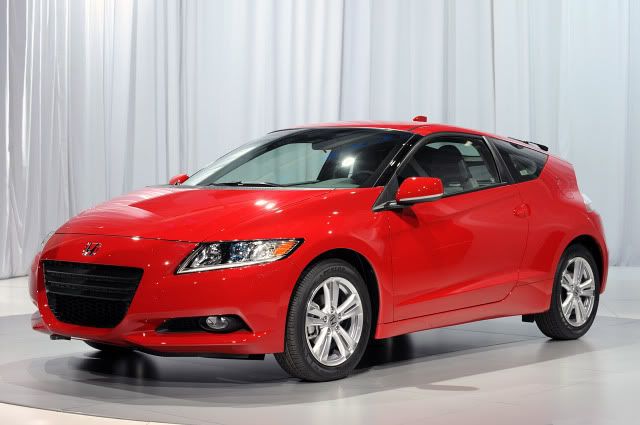
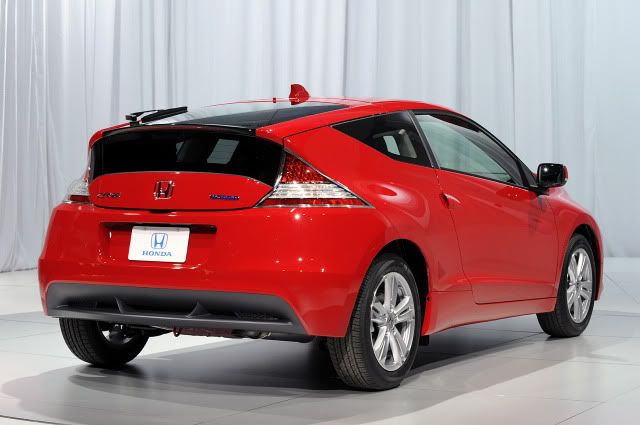
Honda CR-Z finally revealed in full

Having been the subject of brochure leaks and other sneak previews for many months now, Honda's hybrid CR-Z has finally been officially unveiled at the Detroit motor show.

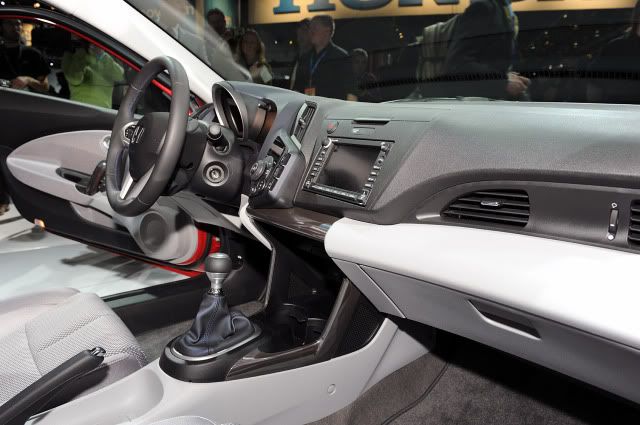
The production car, though less dramatic than the concept, still looks great and remains remarkably close to the original design. Sharing styling cues with both the first and second-generation Insight hybrids and the first two generations of CRX, Honda claims that the car will be great fun to drive despite its modest power output of 122bhp and 128lb/ft of torque (at a low 1000-1500rpm). All this is provided by a 1.5 litre VTEC four-cylinder with Honda's IMA (Integrated Motor Assist) hybrid system.

The 60mph from rest benchmark comes up in just under ten seconds - not a figure that will set the world alight, but enough in a compact and lightweight hatch to have some fun, especially on UK roads. Honda's intentions for a great drive are spoken loudly by their decision to offer a six-speed manual transmission as well as the CVT typical of normal hybrids, and the CVT itself offers a paddle-shift mode. As with many modern cars with "sporting" intentions, the CR-Z offers a three-mode drive system with normal, sport and economy settings.

Economy on America's EPA cycle is estimated (in UK gallons) at 43mpg city and 46mpg highway for the CVT model and 37mpg/44mpg for the manual transmission, though this is of course determined by whether you choose to drive it like a hot hatch or like a hybrid...

The CR-Z is expected to go on sale in the Summer. If there's one car that Tarmac test drives this year, the CR-Z will be it! (Yes, those promised drives will start happening eventually...)

(All images: AutoBlog)

Monday, August 3, 2009

Smart Roadster to return?

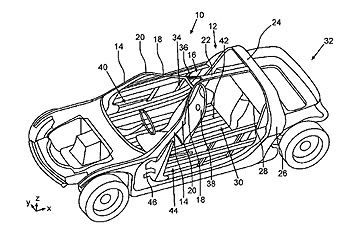
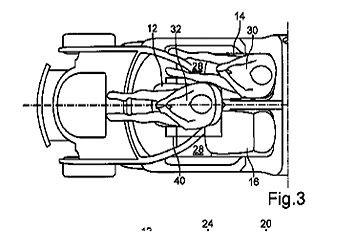
This is the news Tarmac has been waiting for - Autocar has released details that Mercedes-Benz has applied for several patents for a new three-seater Smart, touted to be known as the ForThree, in keeping with the names of other Smart models.

As you can see from the images, the new car will have a seating layout similar to that of the McLaren F1 supercar, with the driver sitting centrally and passengers behind and to either side of the cockpit.

According to the drawings and Autocar, the central seat is designed to swivel and slide towards the door to ease access. The car could potentially use both petrol and diesel units that Smart currently produce, and it may even be available with an EV option by the proposed 2014 release date. Mercedes are also developing a dual-clutch seven-speed transmission for use in the next A-Class, and this may even find it's way into future Smarts such as the ForThree.

The first generation roadster was nowhere near as popular as it was expected to be, selling just over 43,000 units in its two year production run. If Mercedes and Smart can find the right price for the ForThree, they may well overcome the main hurdle the first model faced - it's expense compared to more powerful and practical rivals.

Tarmac will be keeping a keen eye on the progress of this story and will bring you further developments as they happen.

Sunday, May 3, 2009

Rhymes with "scrap"

A while back I wrote about the RAC's suggestion that cars over 18 years old should be scrapped. I was a bit worried about this, as a body such as the RAC is respected enough that even the government might listen to it on occasion. Since then I haven't heard anything further on that particular plan, but what you might well have noticed in the UK more recently is the government's plan to offer £2000 towards a brand new car if you're trading in one more than 10 years old. The ten year old car will then be scrapped - as naturally, it's going to be more polluting than something brand new. In theory.

As I pointed out in my last story, the figure that the government always goes on is the CO2 figure. A useful figure, undoubtably, and we all want to do our bit to reduce CO2. But then it's not really a relevant figure for judging anything, because it's more or less directly correlated to fuel consumption, a figure that we've been using as a yardstick for years. And lets not forget, we already get taxed according to how much fuel we use in a very natural way - the more fuel we put in our cars, the more we pay in tax. The current taxation based on CO2 is basically a second fuel tax, only less fairly applied as it's indiscriminate as to how much a car is used. It's perhaps unfair for a Ferrari owner who does 1000 miles a year to pay a vast amount on road tax, when someone in a "green" Prius might do 20,000 miles a year and pay nothing under the current rules.

Anyway, I digress - I should be talking about the new scrappage scheme. On the face of it, all appears well. You trade in your ten year old banger, and the government and the manufacturer each give you £1000 towards your new car.

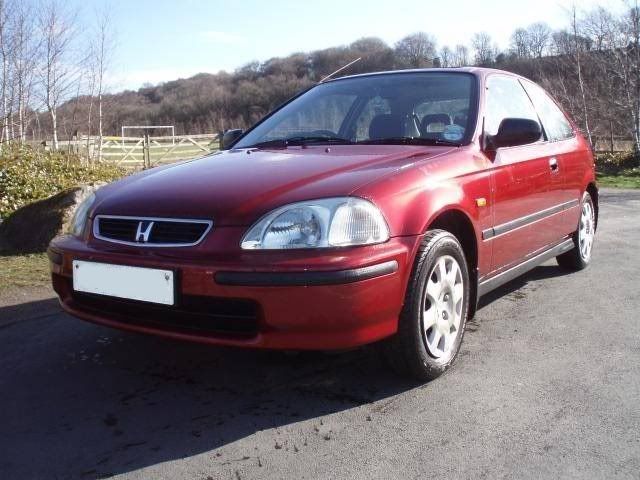
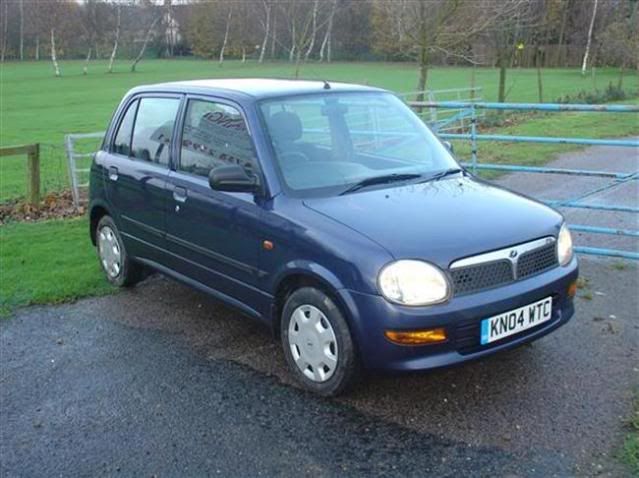
Anyone else spotted the deliberate mistake yet? If you're driving around in a £2000 "banger", what is the likelihood you're financially in a position to buy a brand new car, even with a couple of grand lining your pockets? The cheapest new car on sale in the UK at the moment is the Perodua Kelisa which starts at about £4600. Incredible value undoubtably but very possibly worse than virtually any ten year old car worth about £2000. I recently drove an 11 year old Honda Civic 1.5 VTEC, which uses lean burn technology to achieve a very respectable 44mpg on the combined cycle, and still offers good performance, unquestionable reliability and a large dealer network, yet second hand costs around a grand. Even if you were then loony enough to want to trade this in for a Kelisa, you'd still have to find an extra £2600 from somewhere. So you'd then take out a loan, which is exactly what put us in the economic mess we're currently facing in the first place.


Would you trade Civic for Kenari? Are you reading this from a padded cell? (Perodua image: Parker's)

And remember, that's if you wanted the very cheapest new car on sale. Unless you've been saving like a magpie for the last five years and are vaguely financially secure (and yet somehow still manage to have a 10+ year old car instead of a newish one anyway), then I really can't see how the cashback offer is going to benefit many people. The gulf is even greater if you want to trade that ten year old BMW compact for a shiny new 1-series (even with the additional £1260 BMW are offering on a 116i Sport), or even a rusty old Clio for a brand new airconditioned one that's safer than houses. Manufacturer participation is optional, and some have declined to take part reasoning that it will offer neither themselves nor their potential customers any benefit.

I only hope the sceme will be useful to those who really can benefit from it before the whole thing is declared a massive failure and pulled. Hopefully in the meantime it won't take too many of the good decade-old cars off the road like the Civic above, because for some of us, those are the cars we can actually afford.

If you do want to read more about the scrappage scheme, there's a useful FAQ here: http://www.ukscrappage.co.uk/

Saturday, October 18, 2008

RAC: Scrap cars over 18 years old?

For a body that is often found fighting for the rights of the motorist and the car itself, the RAC's subsiduary, the RAC Foundation, has just released a confusing report suggesting that cars older than 18 years should be be scrapped in an attempt to "clean up" the roads. 18 years ago was the general time that the majority of cars started being fitted with catalytic converters. First impressions seem to suggest that cars older than this, then, are "dirty".

Whilst the RAC is not suggesting by any means that all cars older than this should immediately be destroyed, the report is still worrying, in that a body such as the RAC has a voice that can be heard by the government. The government aren't known for the subtlety by which they execute ideas, so I'm sure I'm not the only petrolhead who has images of a bill being passed through the Commons making all cars made before 1990 illegal.

Much of the RAC's report, available here (.pfd file) makes sense, but they worryingly refer to the scrapping plans increasing demand for new cars. This, in my eyes, has a few problems.

Firstly, the sort of people who own cars this old are either people who consider them classics, and therefore have deliberately bought them instead of buying a newer car, and those who struggle to afford even a car half that age so buy an older car through sheer necessity. Consumers in the first group are likely to be better equipped to keep their cars, under grounds that they're likely to be well-maintained and not too "dirty" anyway. Even if they do end up having to go to the scrapper, they might be in more of a position to afford something newer. Consumers in the second group might not be so lucky. Even with the small financial incentives that will be offered should any sort of scheme go ahead, they may not be able to reasonably afford a newer car. Many of either group might struggle to afford a new car, which is what the scheme is incentivising.

Secondly, the RAC keep referring to pollution as the CO2 figure (a trend echoed by the government). CO2 is directly proportional to fuel efficiency, so a car made in 1990 that does 30mpg will be producing roughly the same CO2 as one that's been made in 2008. The RAC provide figures showing that average CO2 has decreased by 16.4% since 1997, but this is much more indicative of the trend towards diesels than it is the trend for less polluting cars. And diesels produce very different particulates than the petrol engined cars that were more prolific back in 1990 anyway.

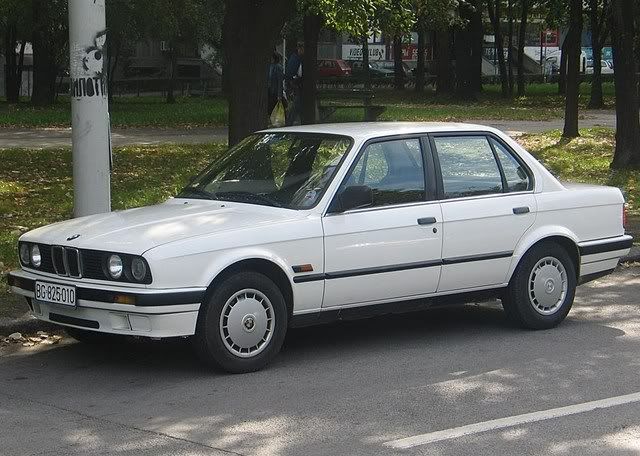
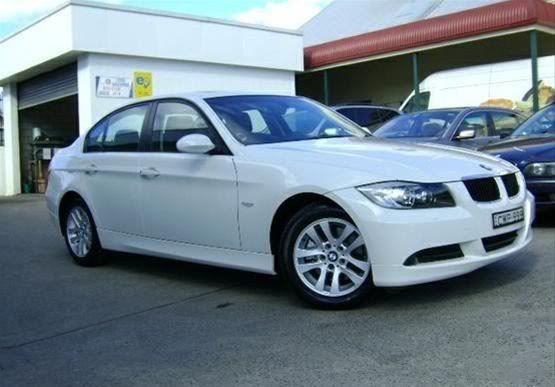
If we're to compare like-for-like, a 1990 BMW 318i should do around 35mpg in normal useage (and capable of much more), judging by various owners' reports found around the internet. The model that followed (91-98) did... 35mpg. The following model did a whopping... erm, 35mpg. The latest model (05-) does 38mpg according to official figures. Only the very latest version released this year, thanks to BMW's Efficient Dynamics program, climbs significantly to 47mpg (though it remains to be seen whether this is achievable in day-to-day use). The bottom line is that the CO2 rating will have stayed roughly the same for a good 17 years.


Old: 35mpg; New: only 3mpg better

This brings me onto the third point - that a car that's been well engineered in the first place (like the early 3-series above) and well maintained throughout its life will likely be kinder to the environment than many badly engineered and maintained vehicles half it's age. Not to mention that subsequent users aren't adding to the global carbon footprint by buying used, wheras new buyers are each contributing to the share of CO2 that the production of their car has caused, before the key has even been turned for the first time. Now obviously, it's unrealistic to assume that we should stop buying new cars to cut down on global CO2, but at the same time it's clear that scrapping anything older than 18 years is the answer either.

I'd personally be suggesting that pollution from any age of car could be reduced by additional driver training to enable people to extract the maximum efficiency from their chosen vehicles, but that's another subject for another day.

If you're the owner of an older car in the UK I wouldn't get worried just yet, but don't let that stop you thinking of some good excuses either...